The future music: AI, law, and artistry
Explore the evolving landscape of music where artificial intelligence meets creativity, copyright, and ethical dilemmas. Join as we dive into how companies navigate the complex legal issues, ownership questions, and future possibilities of AI-generated music.

Copyright, law, and the future of music
Legal and copyright issues add another layer of complexity to AI-generated music. In the United States, copyright law currently only protects works created by human authors. This means that music created entirely by AI may not qualify for copyright protection, creating uncertainty about ownership.
Navigating legal gray areas
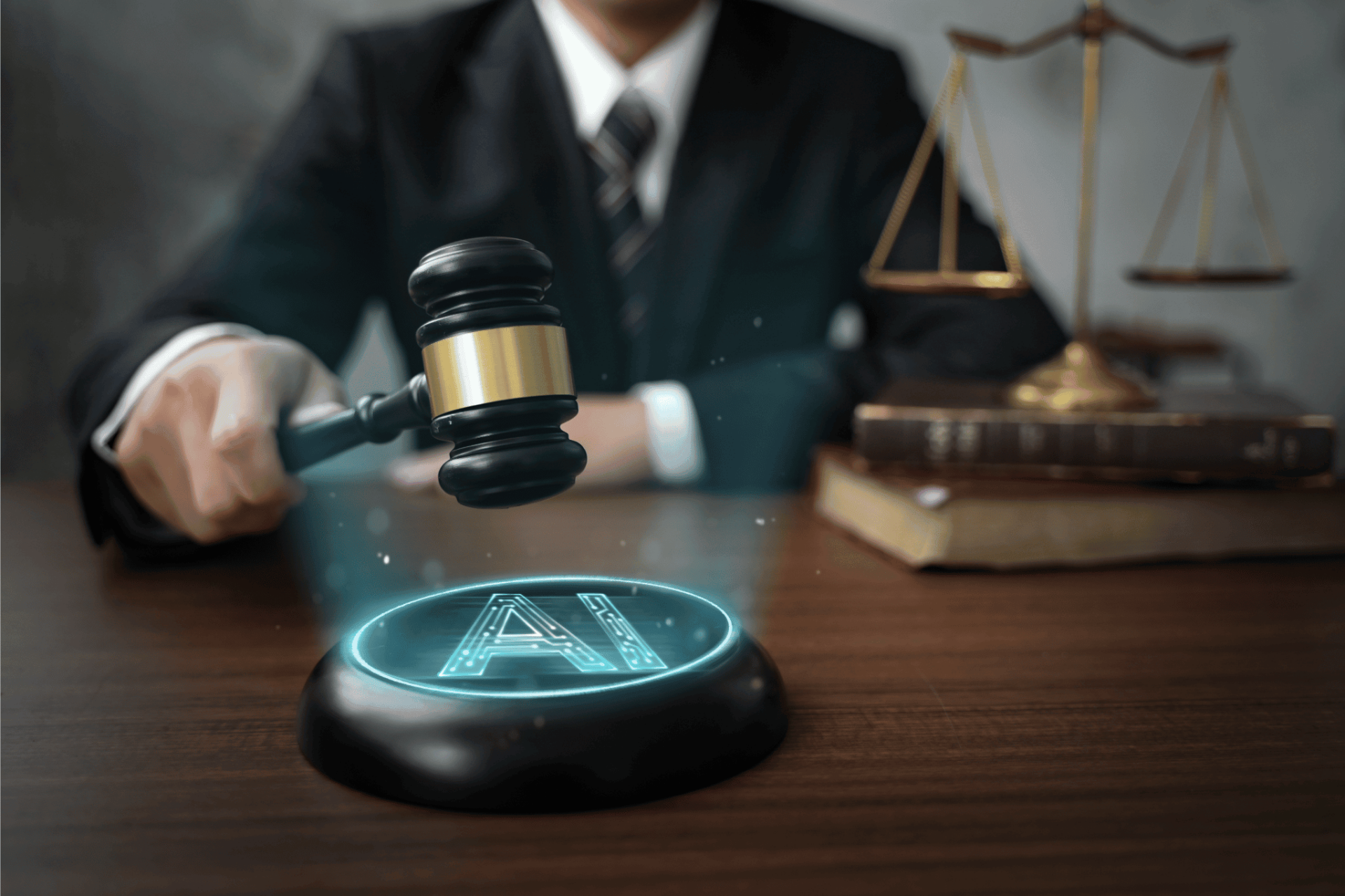
Experts in copyright law have pointed out that this creates a legal gray area for both artists and companies. One major issue is whether training AI systems on copyrighted music counts as fair use or copyright infringement. Some argue that this process is transformative, while others believe it directly uses artists’ work without permission.

Towards clear rules and fair practices
Lawsuits and policy debates are still ongoing, meaning there are no clear rules yet. Because of this uncertainty, companies are experimenting with licensing systems and transparency measures to avoid legal risk. The future of music will likely depend on how well technology, law, and creativity can coexist in a way that respects both innovation and human artists.
Opportunities and challenges
AI presents both opportunities and challenges for the music industry. It can expand creativity and make music production more accessible, but it also raises serious concerns about authenticity, ownership, and fair compensation. Streaming platforms will play a major role in shaping how AI is integrated into the music industry moving forward. The future of music will likely depend on how well technology, law, and creativity can coexist in a way that respects both innovation and human artists.