How artificial intelligence is changing the music industry
Artificial intelligence is rapidly transforming the music industry in ways that would have seemed impossible just a few decades ago. Traditionally, music has always been rooted in human creativity, and artists draw from personal experiences, emotions, and cultural influences to create something original. However, the rise of AI is beginning to challenge that idea.
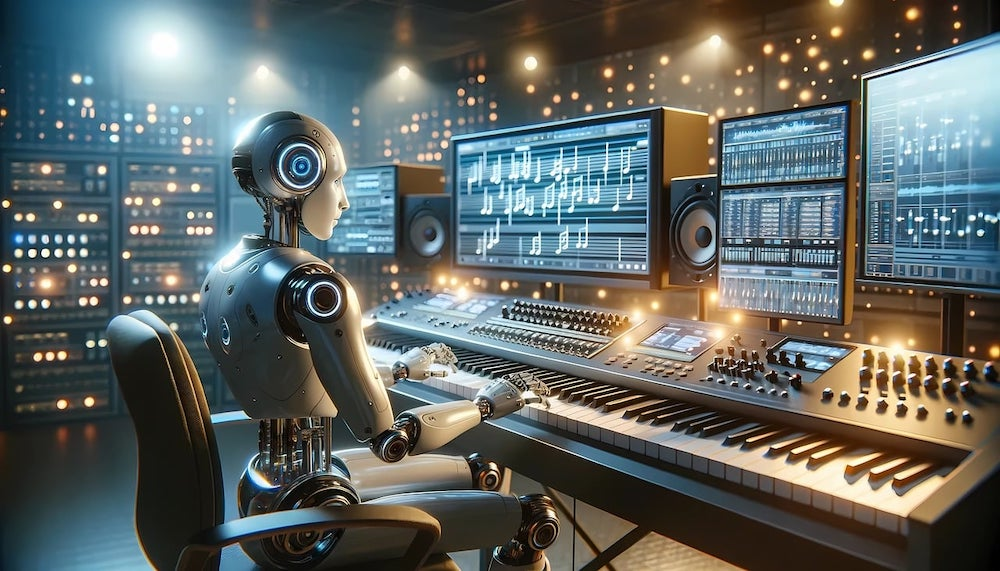
The dawn of AI-driven music
Today, AI can generate melodies, write lyrics, and even replicate the voices of well-known artists. These advancements are not just small changes, but they are fundamentally reshaping how music is created, produced, and consumed. As a result, the role of the human artist is being questioned in new ways.

AI in Music Creation
AI is now commonly used in music production for editing, mixing, mastering, and generating recommendations for listeners. Streaming platforms rely heavily on AI-driven systems to suggest playlists and help users discover new music. These recommendation systems shape what becomes popular by deciding what listeners hear most often.
More recently, generative AI has expanded these capabilities even further by allowing users to create entire songs from simple prompts or stylistic instructions. This has dramatically lowered the barrier to music creation, making it possible for people without formal training to produce professional-sounding tracks. However, this also means that streaming platforms are now seeing an explosion of content being uploaded, which raises questions about visibility and competition.